Cancer Care

Surgical expertise guided by the right question: what is best for this patient?

The choice of surgery—and whether surgery is appropriate at all—depends on the cancer, its stage, the person’s health and the wider treatment plan.

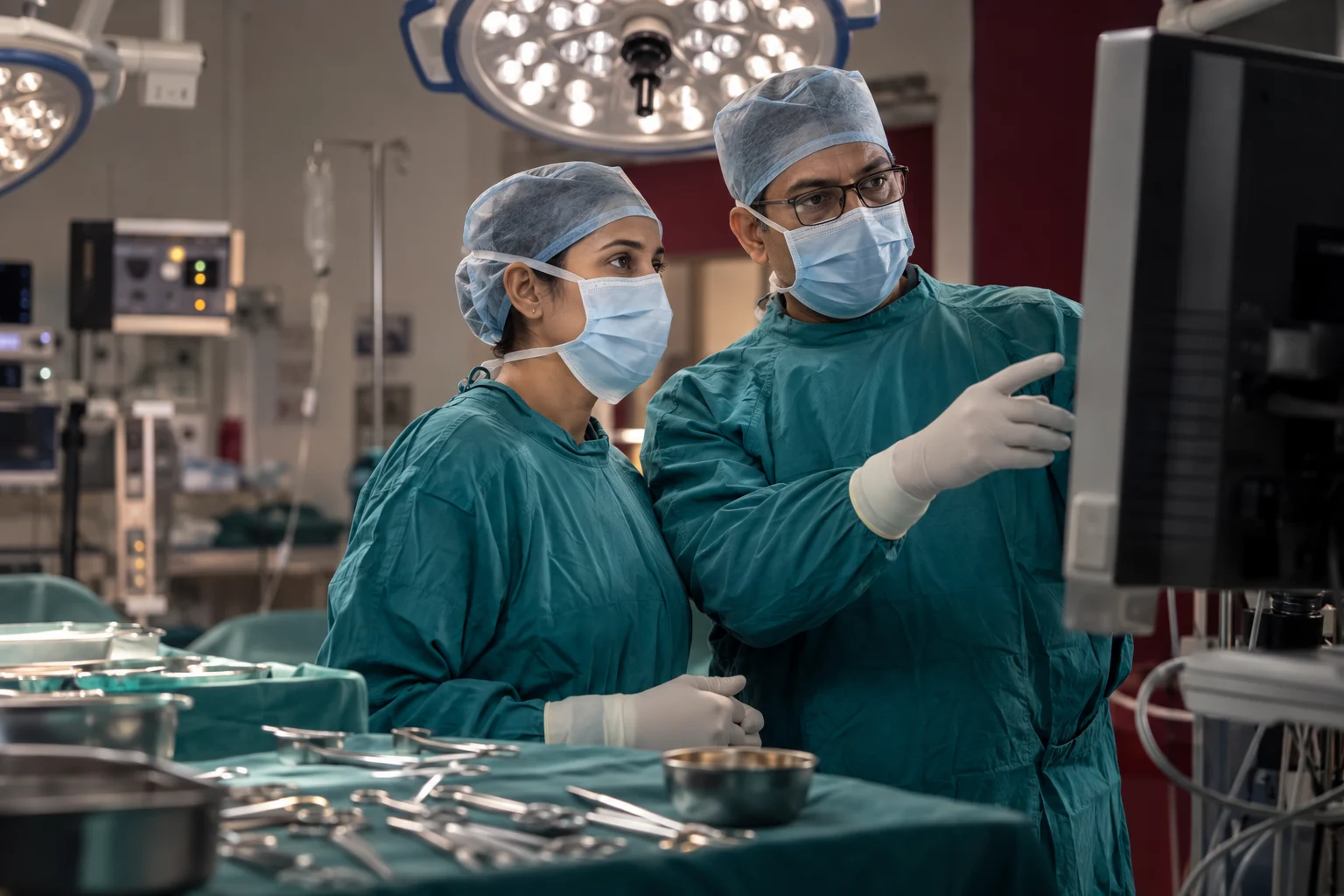
Illustrative image of a surgical team reviewing a monitor in an operating theatre
Surgical oncologyIllustrative image

Head & Neck Oncology

Surgical evaluation and treatment planning for oral, thyroid, laryngeal, pharyngeal, parotid and other head and neck cancers.

  • Individual case evaluation
  • Multidisciplinary coordination when needed
  • Recovery and quality-of-life considerations

GI & Oesophageal Cancer

Surgical care for gastrointestinal and oesophageal cancers with attention to function, recovery and quality of life.

  • Individual case evaluation
  • Multidisciplinary coordination when needed
  • Recovery and quality-of-life considerations

Complex & Rare Tumours

Experienced decision-making for complex presentations that benefit from careful multidisciplinary coordination.

  • Individual case evaluation
  • Multidisciplinary coordination when needed
  • Recovery and quality-of-life considerations

Bone & Soft-Tissue Tumours

Individualised surgical planning for musculoskeletal and soft-tissue tumours, including function-preserving approaches when appropriate.

  • Individual case evaluation
  • Multidisciplinary coordination when needed
  • Recovery and quality-of-life considerations

Robotic Cancer Surgery

Minimally invasive robotic techniques considered when clinically appropriate for the cancer, anatomy and treatment goals.

  • Individual case evaluation
  • Multidisciplinary coordination when needed
  • Recovery and quality-of-life considerations

Other Surgical Oncology

Surgical expertise spanning breast, urological and gynaecological oncology as part of comprehensive cancer care.

  • Individual case evaluation
  • Multidisciplinary coordination when needed
  • Recovery and quality-of-life considerations

How decisions are made

The procedure is never the starting point.

A thoughtful cancer surgery plan begins with the pathology, imaging, stage and biology of the disease. It also considers fitness for surgery, likely benefits, possible risks, function after treatment and other available options.

Robotic and minimally invasive techniques are offered when they are oncologically appropriate and meaningfully useful—not simply because the technology exists.

Important

This page provides general information. It cannot determine whether surgery is suitable for an individual. A personal consultation and medical-record review are essential.

When you are ready

Take the next step with clarity.

Connect with the C3 Health Care team for a consultation with Dr. Anshuman Kumar.

WhatsApp Call Now